l s

Monday, December 20, 2010

Review of Confident Color book

Charley Parker posted an insightful review of my book over the weekend. Here's the link to his Lines and Colors blog. While you're there, mark Charley's blog as a favorite. His commentary on artists of the past and present, including fine artists and designers, as well, are always informative and entertaining.

Labels: , , , ,

Friday, January 23, 2009

Book reviews--new books on acrylics

There are a lot of books on making art with acrylic paints, but until now I hadn't found any that provided useful information about the different acrylic mediums available. These two books fit the bill for me and now have a permanent place on the bookshelf in my studio. I use acrylic mediums mostly for collage, and now feel I can use them more effectively and branch out into textures and other applications.
Nancy Reyner's book was released by North Light early in 2008. Acrylic Revolution: New tricks and techniques for working with the world's most versatile medium provides information on setting up tools and materials for working with acrylics, along with a comprehensive glossary. This is a "techniques book," with detailed information and illustrations using different acrylic viscosity and textures. A few paintings by various artists are included in a gallery, showing different approaches to painting with acrylics. Reyner explains the behavior of the mediums, how to deal with quick drying paints and mediums, and how to finish the artwork with varnish, a step many artists skip over. I especially like Guy Kelly's design, which unifies the pages of complex demos and hands-on photos.
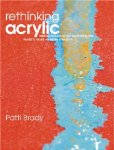

Patti Brady's book, Rethinking Acrylics: Radical solutions for exploiting the world's most versatile medium. (North Light, 2009) is worth the price just for the chart on page 23, showing the effects of 15 different mediums, with a short description telling in a nutshell what each does. I also like the information on how acrylic paints are made, although I know a lot of artists aren't interested in this. Brady provides information and techniques not included in the Reyner book, as well as demonstrations by 28 acrylic artists. Want to print acrylic paint film (skins) in your ink jet printer? Need to know more about interference and metallic acrylic paints? Want to try encaustic with acrylic? It's all here, and more.

Both artists are active in the Working Artist Program of Golden Artist Colors, Inc., but the books may be used by artists who work with other products.
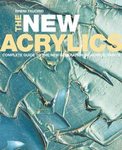
Another book on acrylics, which I haven't read, seems to be popular with painters: Rheni Tauchid's The New Acrylics: Complete Guide to the New Generation of Acrylic Paints. (Watson-Guptill, 2005.) The author is employed by Tri-Art, a Canadian paint manufacturer. If you've used this book, please leave a comment telling us about it.

Labels: , ,

Saturday, April 12, 2008

A Magic Eye

Children see magical things in the ordinary, but it's uncommon for adults to be so bewitched by the mundane. Sandi Greene is a grown-up with childlike vision and her skill with a camera enables her to capture on film or digitally what she sees. She transforms withered plants, well past their season, into fairy rings and storybook characters, such as the Big Bad Wolf in drag, scurrying through the woods after Red Riding Hood. Every page is a wondrous trigger to the imagination.


Sandi's book, Seeing Evangeline. is a visual meditation that slows you down to search the images for faces, figures, graceful limbs and flowing gowns. Each figure or group has a name, the clue to finding the image. Accompanying the name is the botanical name of the plant and where she found it: a park, a friend's garden and public gardens, mostly in Canada.

Sandi attended my creativity workshop in Calgary, where I first saw her wonderful book. She tells me she did not Photoshop her images, except to enhance contrast where needed. Sandi also says that she is surprised by what people see in her photographs, other than what she herself sees. A brief text at the beginning explains how her journey into this magic kingdom of plants began and where it has taken her. End pages include line drawings of the figures she sees, along with common names of the plants.

Labels: , , ,

Wednesday, May 23, 2007

Book Review: Living Artfully

Living Artfully: Create the Life You Imagine by Sandra Magsamen is a wonderful guide to finding the creativity within you and setting it free to enrich your life. This book shows you how to make your life a work of art by thinking and acting creatively in everything you do, from family celebrations to everyday chores at work, in your home and garden. Everything she suggests is doable, fun and friendly. The book helps the reader to become more aware of the importance of nurturing herself so she can inspire and nurture those she loves. You don't need to be an artist to benefit from the important message in this book. I love her ten principles for living artfully--they reflect and supplement my beliefs, which are scattered throughout The New Creative Artist.

Labels: ,

Sunday, May 06, 2007

Book Review: Geometry of Design

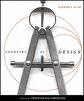
Geometry of Design: Studies in Proportion and Composition by Kimberly Elam (2001) is one of a series entitled "Design Briefs: Essential Texts on Design" published by Princeton Architectural Press. This book has helped me to understand how the golden section works in fine art and design. There are diagrams on every page showing the golden section in nature, ancient art, human proportions and contemporary design. Many pages have transparent overlays showing how lines of the golden section triangles and rectangles fit onto the scheme of an effective art piece or design. I wrote about design grids in connection with Emily Carr on February 20, which was also enlightening. I can see many benefits from thinking about design this way, although I'll admit it isn't easy to do the math. I don't think it has to be exact, but it does help to find hot spots for major and minor focal points in art and to understand why some formats are more pleasing than others to look at. I think the little Elam book will be a handy reference for me in the studio.

Labels: , ,

Saturday, May 05, 2007

Book Review: Yale Book of Quotations

The Yale Book of Quotations, edited by Fred R. Shapiro (2006), is more than a simple reference book for snappy quotes. The book contains more than 12,000 quotations, with sources and corrections of oft-misquoted remarks. From the front flap: "It is unique in its focus on American quotations and its thorough coverage of items not only from literary and historical sources but also from popular culture, sports, computers, politics, law and the social sciences." Dear old "Anonymous" has a section to him/herself and is also included in listings under folk songs, advertising slogans, film lines, television catchphrases, and proverbs, which are very entertaining. Aside from looking up specific quotations, the YBQ is reader-friendly, interesting and fun to pick up and page through. Not a beach book at 1067 pages.

Labels: ,

Thursday, May 03, 2007

Book Review: James McNeill Whistler

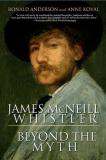
James McNeill Whistler: Beyond the Myth by Ronald Anderson and Anne Koval (1994) is a compelling biography revealing details of Whistler's life and cultural influences that are often overlooked. Whistler began with lackadaisical military training at West Point and evolved an amazing career of artistic innovation and achievement in London and Paris. He was a consummate and prolific printmaker, as well as a much sought after portrait painter. Many of the stories that resonate in the public perception of the man were outrageously exaggerated and circulated by Whistler himself, who was witty and unrelenting in attacking his critics. He consorted with many of the Impressionists in France in the early years, when their dissatisfaction with the Academy was just beginning to surface. His own rebellious nature put him at odds with both the great Academy in Paris and the Royal Academy in London. There are a few illustrations and photos in the book. I brought some Whistler monographs home from the library, so I could study the paintings and engravings in the context of this comprehensive biography. I've always liked Whistler, but this book gave me a much greater appreciation of his talent and vast accomplishments.

Labels: , , ,

Wednesday, May 02, 2007

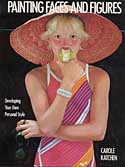
Book Review: Painting Faces and Figures

Painting Faces and Figures by Carole Katchen is one of my favorite people-painting books. Katchen shows wonderful examples of creative poses in different media by a variety of artists. There are elegant, classic styles and quirky, comedic ones with a lot in between. Working methods are described and there are some step-by-step details, but on the whole, the book is more about personal style than techniques. Carole's web site is worth a visit. Her personal style is distinctive and colorful.

Labels: , , , ,

Monday, April 30, 2007

Book Review: Sisters of the Circle

Carol Haefner's Sisters of the Circle is a book of poetry, subtitled "One Woman's Journey to Wholeness." It's odd how I happened to find this book. Or maybe it found me. I was browsing at Half-Price Books and liked the colors on the spine, so I pulled it out. I saw that it was poetry, which I read sometimes, but not a lot, wasn't in the mood, so I put it back. I moved on and a little later thought of something I wanted to look for, so I retraced my steps and ended up pulling the book off the shelf a second time and reading the foreword. When I saw that it was about a woman's struggle with depression, I decided it would probably be a downer, so I put it back on the shelf. Nevertheless, I was drawn back to that book a third time, so I bought it and I'm glad I did. I've never suffered from depression, but I have a dear friend who has. Carol Haefner's poems feel authentic as she describes her suffering and her struggle to overcome it.

Labels: , ,

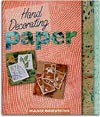
Book Review: Hand Decorating Paper

Searching for information on making paste paper, I found Hand Decorating Paper by Marie Browning (2002). It includes many hand-decorated papers with easy instructions and projects. Here are some of the papers you can make: antiqued, batik, batik with paint resist, block-printed, bubble, color transfer with tissue, faux leather, laminated, marbelized (three ways), nature prints, paste, rubber-stamped, splattered, sponged, spray-painted, stenciled, tie-dye and watercolor textures. Wow! This is a treasure for collage artists, but also for watercolor painters who would like to try something different for a background or texture in their paintings. Most supplies are relatively simple, but techniques may take different paper or tools. You'll be inspired to make up your own variations once you get started. These activities are great blockbusters. When you're finished playing, you have a stack of papers to use in art and craft projects.
Labels: , , , , ,

Friday, April 27, 2007

Book Review: Creativity

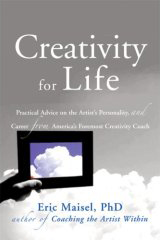
In his new book, Creativity for Life, psychologist and creativity coach Eric Maisel delves more deeply into the issues that are raised by Art & Fear, the book I reviewed yesterday. Maisel's book is subtitled "Practical Advice on the Artist's Personality and Career from America's Foremost Creativity Coach." The underlying theme of the book is the art-committed life. Here is a comprehensive look at the challenges facing artists, including writers, painters, musicians, actors, dancers--all creative people. The book is divided into four parts. First, Maisel looks at the challenges of the artistic personality, including the ever-present concern about creativity, talent, and handling obscurity or stardom. Next, Maisel says to find your work, figure out what it is you want to do, learn to handle blocks, resistance and the business end of the artist's work. Third, the author addresses the challenges of relationships, not only personal, but also community and cultural issues. These three parts conclude with exercises consisting of numerous questions to heighten your awareness of your personal issues and ideas for handling them. Part Four includes strategies and tactics to help direct your art-committed life. As Maisel says, the creativity practice is like a snowflake--both simple and anything but simple. This book works as a life-plan or a reference book on creative issues, but it is interesting casual reading, as well.

Labels: , ,

Thursday, April 26, 2007

Book Reviews: Two old faves

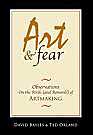
Bayles and Orland's book Art and Fear: Observations on the Perils (And Rewards) of Artmaking is an old favorite. I bought it when it first came out in 1993 and began highlighting as I read. Soon I discovered that I was highlighting nearly every page. Two statements hit me right away: (1) "Artmaking involves skills that can be learned" and (2) "Art is made by ordinary people." Much of our fear comes from feeling that we don't have the talent, that one has to be some kind of genius to be an artist. Then, we fear what others will think of our art or we become enmeshed in the academic art world and come out feeling bruised. In just a few pages the authors help you to understand among other things, that we all face these same fears and there are ways to rise above them. It's amazing how much wisdom is contained in this small book. Here is a statement from the back cover, which I think is to the point: "It is about committing your future to your own hands, placing Free Will above predestination, choice above chance. It is about finding your own work."

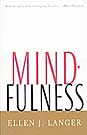
Recently I reread Mindfulness by Ellen Langer. Wikipedia defines mindfulness as "a technique in which a person becomes intentionally aware of his or her thoughts and actions in the present moment." There are more than three million Google references to mindfulness, many of which target stress reduction or Buddhist practices. What attracted me to Langer's book in 1989 was her focus on mindfulness as a means of improving behavior, memory and mental growth in the aging population. I was just taking on the care of my elderly mother. Why did I reread it? I'm getting there myself. Langer's book relates numerous early studies on the effects of mindfulness training in people of all ages. She makes a compelling case. The book is not a difficult scientific treatise, nor is it a warm and fuzzy feel-good self-help book. Langer shows how you can overcome numbing mindlessness and become more alert and active as you grow older.

Labels: , , ,

Wednesday, April 25, 2007

Book Review: Theo van Gogh

We read a lot about Vincent van Gogh and his relationship with his brother, but not much is said about Theo and his personal life and how his interactions with Vincent affected him. In Theo van Gogh: Art Dealer, Collector and Brother of Vincent Chris Stolwijk and Richard Thomson have brought Theo out of the shadows into the light of his own accomplishments. The book was published in connection with an exhibition at museums in Amsterdam and Paris of works Theo Van Gogh bought, sold and/or collected and is lavishly illustrated with many of these works, including Vincent's, as well as a photographs of principal players in the lives of both men. In spite of Vincent's rantings, Theo never failed him in his support. Both were ahead of their time, Vincent with his art and Theo with his recognition of the emerging artists of the time. Sadly, Theo lived less than a year after Vincent took his own life. The scholarly essays included in this exhibition catalog are great reading and the artwork shows what an eye Theo had for quality in the new art of his day.
Labels: ,

Tuesday, April 24, 2007

Book Review: Designer's Color Manual

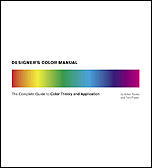
Subtitled "The Complete Guide to Color Theory and Application," Tom Fraser and Adams Banks's book Designer's Color Manual (2004) is a visual delight and packed with fascinating information. My copy is tabbed all around the edges with Post-it stickers marking pages I want to reread. The 224-page book in glorious color tackles everything from color science to color in art and everyday life in an encyclopedic format that is delightful and understandable to read and enjoy, if not in depth on every subject. I especially benefited from the sections on color in publishing, web design and color marketing. There is even some detailed "how-to" on image manipulation, including color management for your computer monitor and printer (one of my tabs is there!). This book won't teach you how to paint in color, but it will give you a remarkable overview of color in almost every aspect of modern life. Highly recommended.

Labels: , , ,

Monday, April 23, 2007

Book Review: Happiness is a Serious Problem

Dennis Prager's insightful book, Happiness is a Serious Problem was recommended to me by a psychiatrist who attended my creativity workshop in Dallas last fall. The principal idea that grabbed me was the difference between happiness and fun. Many people engage in a frantic search for happiness by scheduling lots of fun things to do, but when the fun is over, they don't actually feel happy. According to Prager, happiness is something you must work to achieve. Happiness is possible even under the worst of circumstances. He asserts that we have a moral obligation to be happy because of the impact we have on the lives of those around us. In this slim book, Prager covers a lot of territory, including the major obstacles to happiness and how to overcome them and attitudes and behaviors that are essential for happiness. This isn't a touchy-feely self-help book. It feels more like a wake-up call from a mentor or trusted friend. I found the reviews on Amazon.com (link above) to be interesting. Most people rated the book highly. The few who didn't, really hated it. Their reviews made them sound like unhappy people who were put off to learn that happiness takes work. If you approach this book with an open mind, it will almost certainly make you a happier person.

Labels: ,

Sunday, April 22, 2007

Book Review: PowerColor

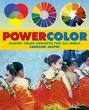
Caroline Jasper's PowerColor: Master Color Concepts in All Media. provides an interesting overview of color concepts not found in many books on color. Personally, I enjoy reading the scientific and historical information. When I wrote my first Exploring Color book (1985) such material was hard to find and took diligent research and a lot of winnowing to cut the information down to size for the first two chapters of my book. When I revised Exploring Color: How to Use and Control Color in Your Painting (1998), I was asked to compress it into fewer pages and had to give up most of that material in order to concentrate on the practical tasks of learning about paint characteristics and using them in artwork. I'm glad to see a fresh book that includes summaries of this interesting background information. I don't agree with her on color wheels and find their use inconsistent in the book, but it's theory, and she's entitled to her opinion. Jasper features several artists in their studios with step-by-step demos of their work. The book includes a broad spectrum (pun intended, sorry) of styles and is lavishly illustrated in color.

Labels: , , ,

Saturday, April 21, 2007

Book Review: Abstract Painting

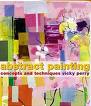
Abstract Painting by Vicky Perry ties historical abstraction in with modern techniques in this colorful book. It isn't a how-to book in the sense of step-by-step demos, but helps the artist to see how abstraction has developed and some directions the artist might take to explore abstract concepts in oils and acrylics. The emphasis is on non-objective abstraction, leaning more toward expressionist organic design than geometric color/field. Probably not for beginners, but a very interesting book for someone thinking to explore this genre. Another book I have learned a great deal from is Painting and Understanding Abstract Art.

Labels: , , , ,

Friday, April 20, 2007

Traildust: The Art of James Reynolds

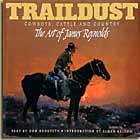
This book is loaded with cowboys, cattle and country. I became enamoured of Western art when I first began painting in 1970 and traveled to Colorado to visit family. We visited galleries in Denver and Boulder, as well as a few ski area art centers, and saw a show of the National Academy of Western Art at the National Cowboy and Western Heritage Museum in Oklahoma City. The quality of the art--Western, Southwestern and Native American--simply blew my mind. At that time such work wasn't in favor in the East, so I had no previous exposure to it. Although my preference was for Southwestern and Native American, I especially liked Charlie Russell and Frederick Remington. Among the contemporary artists, James Reynolds was a standout. His paintings glow with color and vibrate with energy and action. The book, published by Greenwich Workshop Press in 1997, consists of full-page and two-page spreads on many pages, in full color, plus informative essays by Don Hedgpeth describing the country, history or activity depicted in the paintings. The artworks are modern masterpieces in my opinion. His color is simply amazing, from alpen glow to moonlight. I've browsed this book often, ever since I bought a used copy on the Internet.

Labels: , , ,

Thursday, April 19, 2007

Book Reviews

My book-review stack has at least two dozen books on it. I'm afraid the stack might fall over and break my leg if I don't reduce it pretty soon. I read every evening and during every spare moment, but I don't seem to find time to do the reviews. Too busy writing my own book, it seems. So I'm going to take a break occasionally and write at least one review a day until I'm caught up.

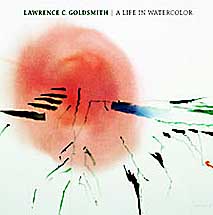
Today's book: Lawrence Goldsmith: A Life in Watercolor by Carl Little (2004). Goldsmith is among my top ten favorite contemporary watercolorists. (Don't ask. I don't actually have a list yet.) You could almost call him a minimalist. His works are often high key, awash with transparent colors that evoke the New England landscape. His flowing washes on wet paper are accented with calligraphic brushmarks and scrapings that create surprisingly strong energy and movement. Little's essay recounts Goldsmith's travels and influences and captures the essence of his personality. The painter traveled widely, but his paintings largely reflect his beloved Monhegan Island, where he kept his summer studio for many years. The book is lavishly illustrated with reproductions of many of his beautiful watercolors. Sadly, Goldsmith died at the age of 87 in 2004, just before the release of this book and the subsequent exhibition of his work. I learned of his passing and of this book when I recently went to his website to make contact about using his work in my new book. His work appears in both versions of my Exploring Color book.

I fell in love with Lawrence C. Goldsmith when I read his earlier book, Watercolor Bold & Free: 64 Experimental Ideas and Techniques in Watercolor, originally published in 1980. His work is spontaneous and luminous, two qualities I value highly. This book was a revelation to me, after having studied for so many years with watercolorists who emphasized realism and values. In 1983 I stopped by his studio on Monhegan and enjoyed a brief visit with this most gracious man. The walls of his studio were covered with his original watercolors, many quite large, and simply breathtaking. His legacy is passed on through his beautiful books.

Labels: , , ,

Tuesday, April 10, 2007

New Drawing Book

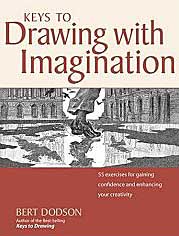
Bert Dodson, author of my favorite drawing book, Keys to Drawing has just released his new book, Keys to Drawing With Imagination.." The book is a humdinger. This is in no way an update or revision of his earlier book. The title truly indicates the direction the book takes from the very first doodle. Dodson first shows how you can begin with simple drawings or doodles and transform them by using a lightbox to duplicate, reverse, flip, combine and pattern your drawings with creative, imaginative results. "Doodling and noodling" is a recurring theme. Starting with the first doodle, Dodson shows how to play with line and pattern and make them morph and grow into imaginative creations. His variations on drawing principles are engaging and the activities are fun and exciting. But I don't think this is a book for beginners. His first book covers all that. This new book is for more advanced artists who need a diversion when they're stuck, ways to transform ho-hum drawings, and challenges for more creative techniques. Dodson showcases the work of several designers, who have no doubt done a lot of doodling and noodling on their way to the top. The spiral binding makes it easy to work with the book on the drawing table. Prepare to be amazed at what you can do with a doodle.

Labels: ,